
Stress has become a common part of modern life. Work deadlines, personal responsibilities, social obligations, and constant digital notifications can leave anyone feeling overwhelmed. While it’s impossible to completely eliminate stress, there are easy, everyday strategies that can help you manage it effectively and live a calmer, more balanced life.
In this article, we’ll explore simple ways to reduce stress in daily life that don’t require expensive tools or complicated routines.
1. Start Your Day With Mindful Breathing
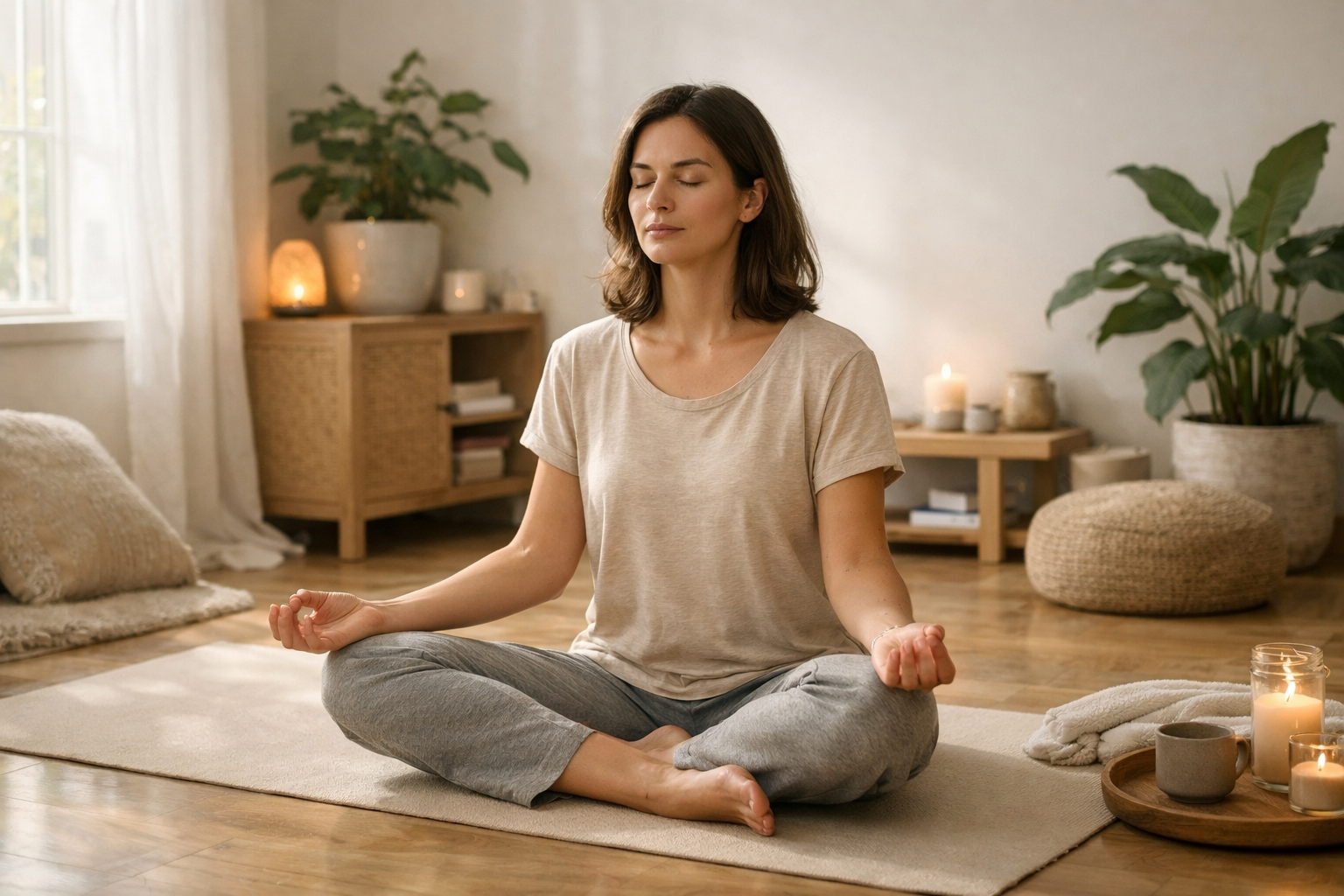
Before diving into your busy day, spend a few minutes practicing mindful breathing. Deep, slow breaths help calm your nervous system, improve focus, and reduce anxiety. Even 5 minutes in the morning can set a positive tone for the rest of your day.
Tip: Try inhaling for 4 seconds, holding for 4 seconds, and exhaling for 6 seconds. Repeat for 5 minutes.
2. Take Short Breaks During Work
Long periods of continuous work increase stress and reduce productivity. Schedule short breaks every 60–90 minutes to stretch, walk, or simply relax. These mini-breaks help refresh your mind, prevent burnout, and improve overall focus.
3. Limit Digital Overload
Constant notifications from social media, emails, and apps can increase stress. Reduce digital distractions by:
- Turning off unnecessary notifications
- Scheduling specific times to check emails or messages
- Taking phone-free breaks
A clean digital environment supports mental clarity and peace of mind.
4. Move Your Body Daily
Exercise is one of the most effective stress-busters. It releases endorphins, reduces anxiety, and improves mood. You don’t need a gym membership; simple activities like:
- Walking
- Stretching
- Yoga
- Light home workouts
Even 20–30 minutes a day can make a noticeable difference.
5. Practice Gratitude
Focusing on positive aspects of your life reduces stress and shifts your mindset. Each day, write down 2–3 things you’re grateful for. This simple habit helps you focus on what matters, rather than worrying about stressors.
6. Organize Your Space
Cluttered spaces can lead to a cluttered mind. Take a few minutes daily to tidy your desk, room, or digital workspace. A clean and organized environment creates a sense of calm and control.
7. Listen to Music or Nature Sounds
Listening to calming music or natural sounds (like rain, ocean waves, or birds) can instantly reduce stress and anxiety. Play soft music during work, meditation, or while relaxing at home to create a peaceful atmosphere.
8. Connect With Loved Ones
Social connection is a powerful stress reliever. Spending time with family, friends, or even pets can improve your mood and provide emotional support. Simple gestures like talking, laughing, or sharing experiences reduce feelings of isolation and stress.
9. Practice Mindfulness or Meditation
Mindfulness exercises help you stay present and prevent worrying about the future or dwelling on the past. Short meditation sessions, even 5–10 minutes, can reduce stress and increase resilience to daily challenges.
10. Prioritize Sleep
Lack of sleep amplifies stress and reduces coping abilities. Aim for 7–8 hours of quality sleep each night. Avoid screens before bedtime, maintain a consistent sleep schedule, and create a calm sleeping environment to ensure restful sleep.
Final Thoughts
Managing stress doesn’t have to be complicated or time-consuming. Simple daily habits, when practiced consistently, can dramatically improve your mental health and overall quality of life. Start small, pick one or two strategies today, and gradually build a routine that helps you stay calm, focused, and stress-free.
Remember, stress is natural—but how you respond to it can make all the difference.