
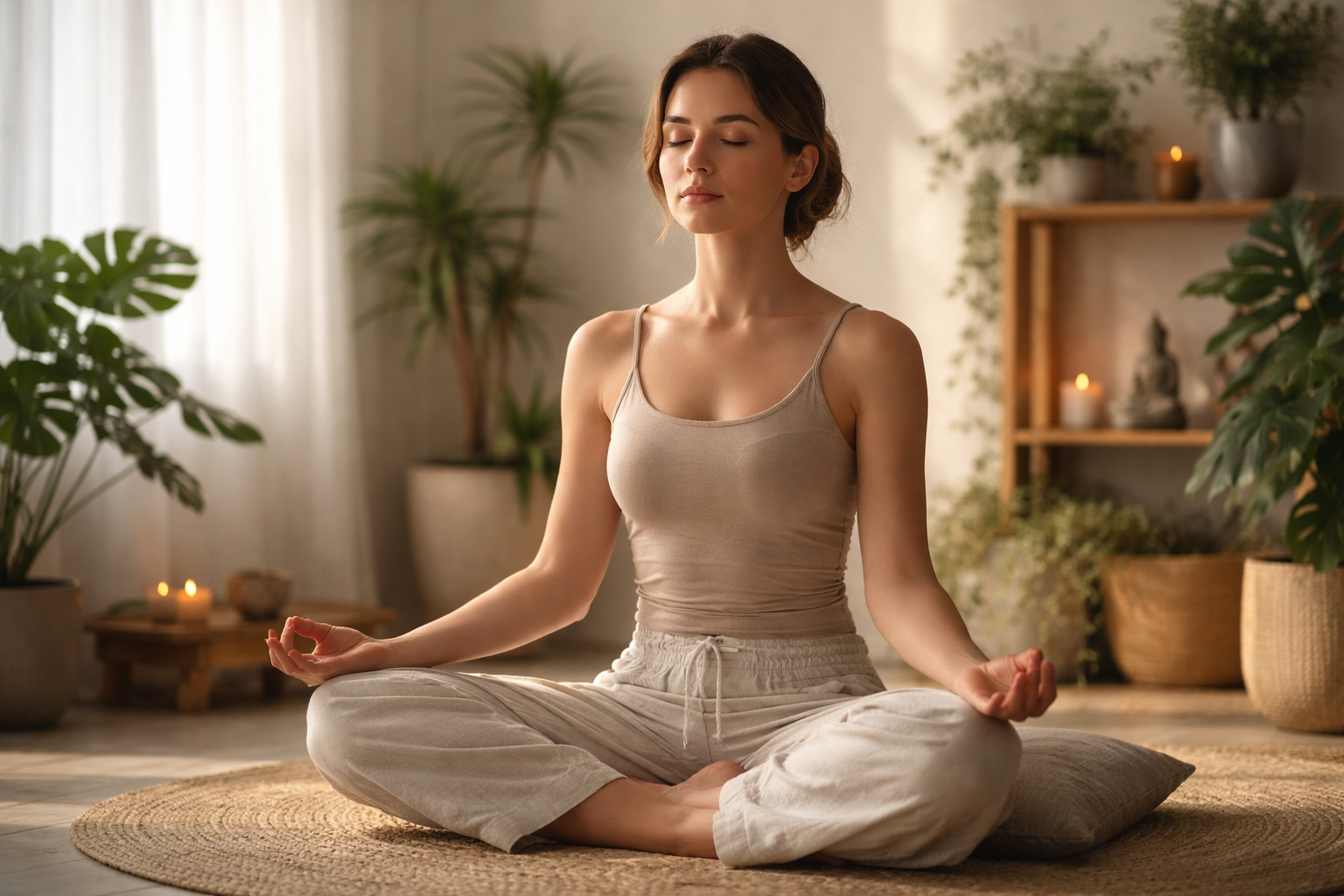
Stress has become a constant part of modern life. Busy schedules, digital overload, and daily responsibilities can leave the mind feeling overwhelmed and restless. While stress cannot be completely eliminated, it can be managed effectively through mindfulness and meditation. These practices help you stay present, calm your thoughts, and respond to challenges with clarity instead of anxiety. The best part is that mindfulness doesn’t require hours of practice—small, daily habits can make a powerful difference.
1. Start with Simple Breathing Awareness
One of the easiest ways to practice mindfulness is by focusing on your breath. Spend a few minutes observing your breathing without trying to change it. Notice the air moving in and out, the rise and fall of your chest, and the rhythm of each breath. This simple habit calms the nervous system and brings your attention back to the present moment, reducing stress almost instantly.
2. Practice Short Daily Meditation
Meditation doesn’t have to be long or complicated. Even 5–10 minutes a day can significantly reduce stress. Sit comfortably, close your eyes, and focus on your breath or a calming word. When your mind wanders, gently bring it back without judgment. Consistent short meditation sessions help improve emotional balance, focus, and mental clarity over time.
3. Be Present in Daily Activities
Mindfulness isn’t limited to sitting quietly. You can practice it during everyday activities such as eating, walking, or cleaning. Pay attention to sensations, movements, and sounds without rushing. Being fully present in routine tasks reduces mental clutter and helps your mind slow down, making daily life feel less stressful and more manageable.
4. Use Body Scan Meditation
A body scan meditation helps release physical tension caused by stress. Slowly move your attention from your head to your toes, noticing sensations in each part of your body. This practice improves mind-body awareness and helps identify areas of tension you may not realize you’re holding. Regular body scans promote relaxation and deeper sleep.
5. Practice Mindful Listening
Stress often increases when conversations feel rushed or misunderstood. Mindful listening involves giving your full attention to the person speaking without interrupting or planning your response. This habit improves communication, reduces misunderstandings, and creates deeper connections. Being fully present in conversations also keeps your mind from drifting into worry or overthinking.
6. Let Go of Judgment
A major source of stress comes from constant self-criticism and judgment. Mindfulness teaches you to observe thoughts without labeling them as good or bad. When stressful thoughts arise, acknowledge them and let them pass without resistance. This habit creates mental space and reduces emotional reactions, helping you stay calm even in challenging situations.
7. Create a Daily Mindfulness Reminder
Busy schedules often make it easy to forget mindfulness. Setting reminders throughout the day can help bring awareness back to the present moment. These reminders can be as simple as taking three deep breaths, stretching, or noticing your surroundings. Small pauses like these reduce accumulated stress and improve emotional regulation.
8. Practice Gratitude Meditation
Gratitude meditation involves reflecting on things you are thankful for. This practice shifts focus away from stress and negativity toward appreciation and positivity. Spending a few minutes each day acknowledging what’s going well in your life improves mood, reduces anxiety, and builds emotional resilience. Gratitude strengthens mindfulness by anchoring your attention in positive experiences.
9. Manage Stressful Thoughts Mindfully
Instead of fighting stressful thoughts, mindfulness encourages you to observe them calmly. Notice when your mind is replaying worries or future fears. Gently bring your attention back to the present through breathing or grounding techniques. Over time, this habit reduces overthinking and prevents stress from spiraling out of control.
10. End the Day with a Calm Reflection
Ending your day mindfully helps release stress accumulated throughout the day. Take a few moments before bed to reflect on your experiences, breathe deeply, or practice a short meditation. This habit promotes relaxation, improves sleep quality, and prepares your mind for the next day with clarity and calmness.
Conclusion
Mindfulness and meditation are powerful tools for reducing stress and improving overall well-being. Simple habits like breathing awareness, short daily meditation, mindful movement, body scans, mindful listening, letting go of judgment, gratitude practice, and daily reflection can transform how you respond to stress. These practices don’t eliminate challenges, but they help you face them with calmness and control.
The key to success is consistency, not perfection. You don’t need to practice mindfulness all day—just a few minutes of intentional awareness can reset your mind and reduce emotional overload. Over time, these small habits strengthen mental resilience, improve focus, and create a sense of inner balance.
By incorporating mindfulness and meditation into your daily routine, you give yourself space to pause, breathe, and respond thoughtfully rather than react impulsively. Stress may still exist, but it no longer controls your thoughts or emotions. A calm mind is not built overnight—it is built through daily moments of presence, awareness, and self-compassion.